Category: Uncategorized
-
Application Potential of α-Ketoglutarate (AKG) in Plant Protection
As a central metabolic hub in the Tricarboxylic Acid (TCA) cycle, α-Ketoglutarate (AKG) serves as both a high-efficiency nutrient enhancer and a critical signaling molecule, orchestrating plant defense mechanisms against biotic and abiotic stresses. Enhancement of Abiotic Stress Tolerance: AKG significantly bolsters plant resilience under extreme conditions. Exogenous application improves photosynthetic performance and maintains osmotic balance under salinity stress.…
-
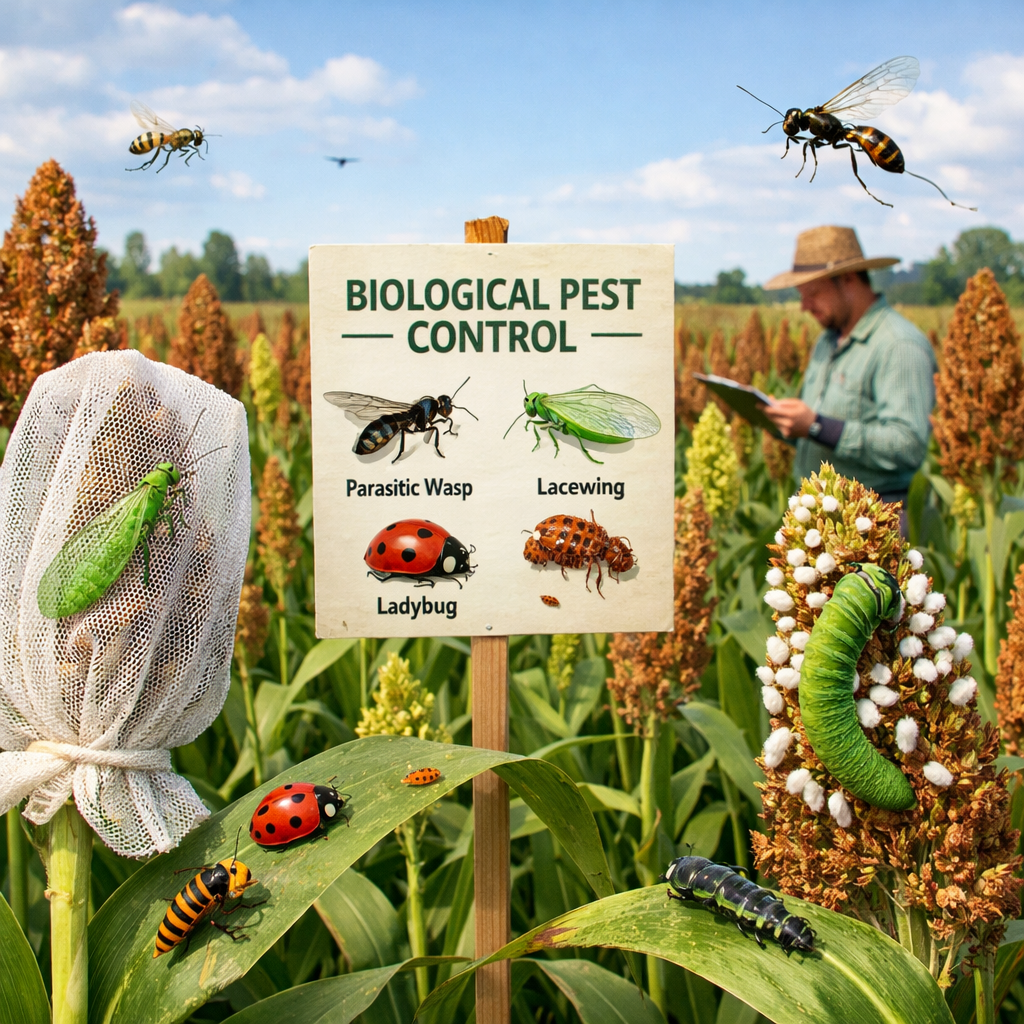
Biological Control Strategy for Sorghum
Sorghum production faces significant pressure from pests like aphids and fall armyworms. This biological control plan focuses on “Biorational Management” to maintain yield while protecting the agro-ecosystem. 1. Biological Control of Major Pests Sorghum’s dense canopy requires a combination of microbial agents and predatory insects. Biopesticides: Use Beauveria bassiana or Metarhizium anisopliae (entomopathogenic fungi) at the early infestation stage. Botanical oils like Neem…
-
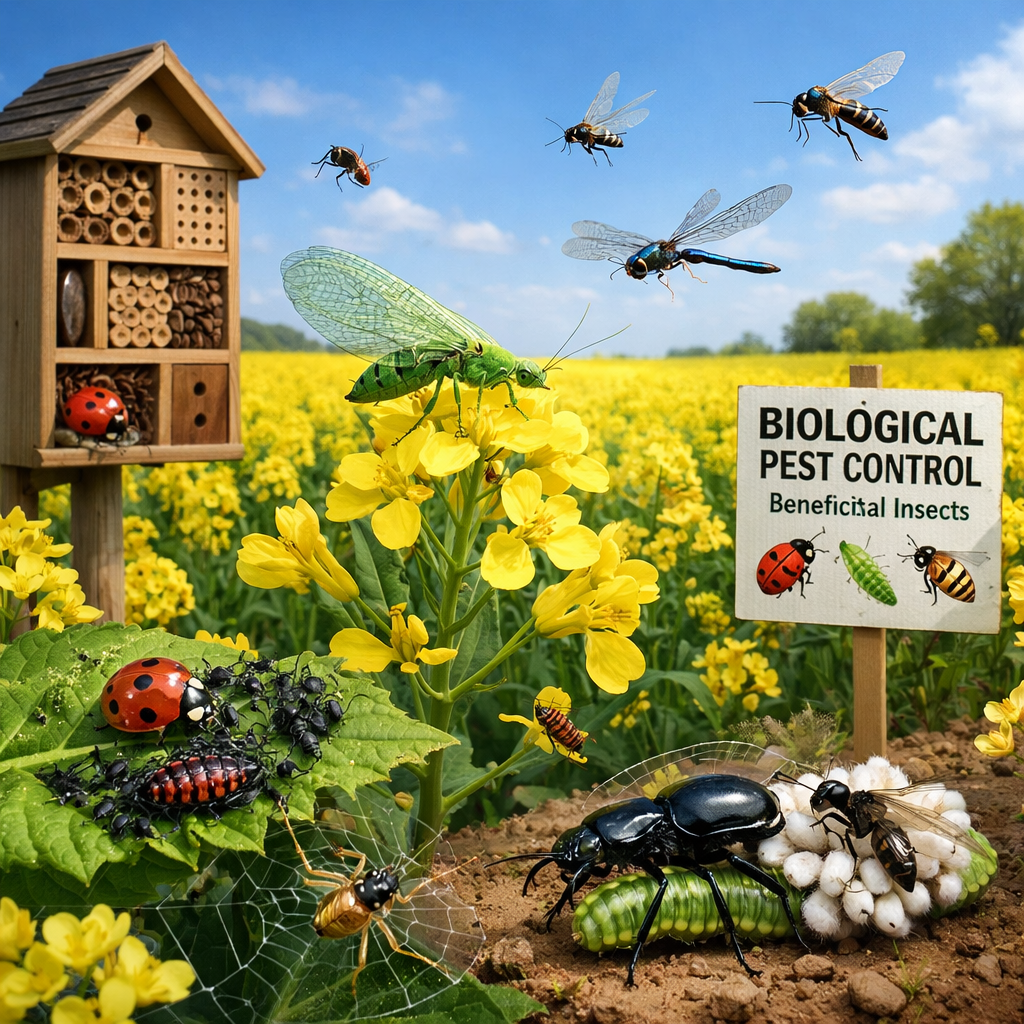
Biological Control Strategy for Rapeseed (Oilseed Rape)
This biological control plan adheres to the strategy of “Prevention First, Integrated Management,” utilizing natural enemies, microbial agents, and physical methods to reduce reliance on chemical pesticides. 1. Biological Control of Major Diseases The core approach for soil-borne and fungal diseases is “Microbe-vs-Microbe” (Bio-antagonism): Soil Treatment: Incorporate Coniothyrium minitans or Trichoderma spp. into the soil during deep plowing/sowing to accelerate sclerotial decay and…
-
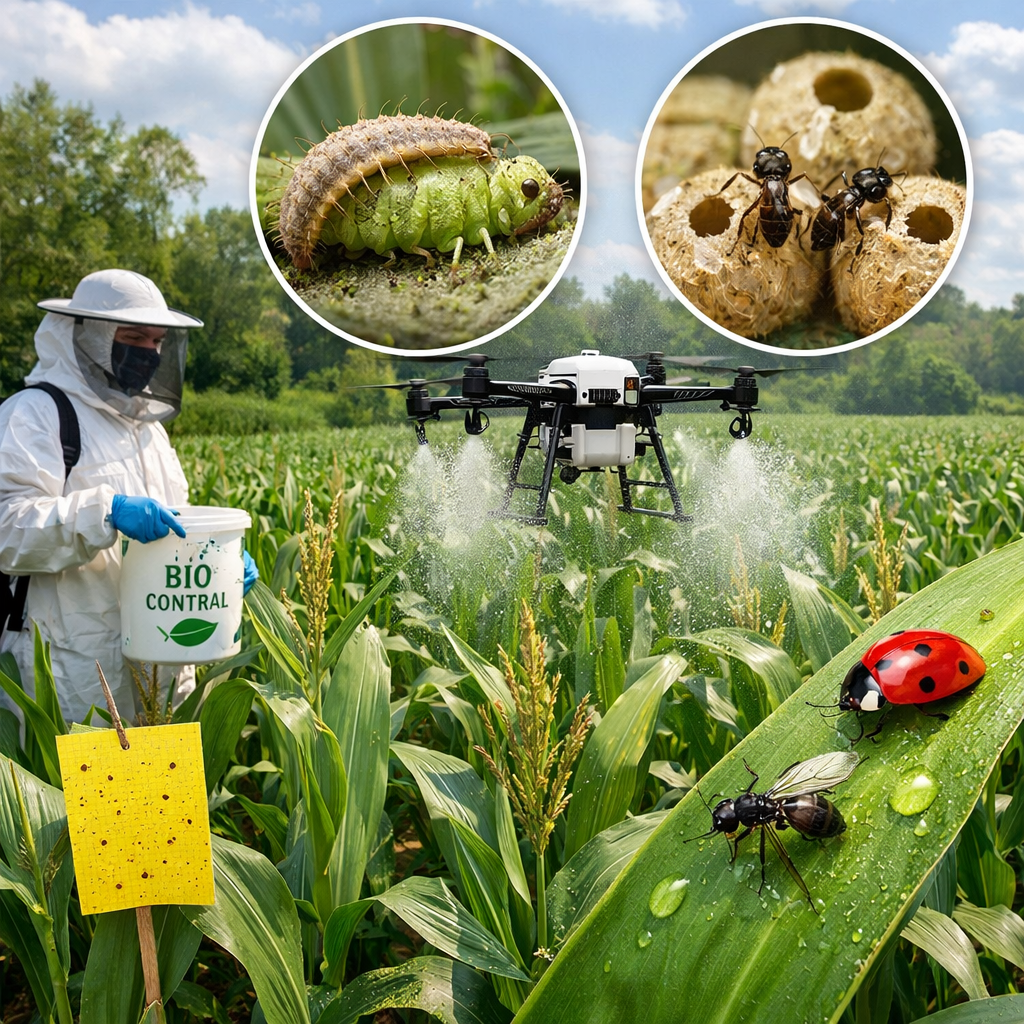
Biological Control Strategy for Corn (Maize)
This comprehensive green management plan focuses on addressing core threats such as the Fall Armyworm, Corn Borer, and Sheath Blight. 1. Biological Pest Management Corn pests are characterized by high migratory capacity and severe boring damage. Effective biological control combines “insect-on-insect” and “microbe-on-insect” tactics: Natural Enemies: Release Trichogramma wasps during the early egg-laying stage. These parasitoids lay their eggs inside those of…
-
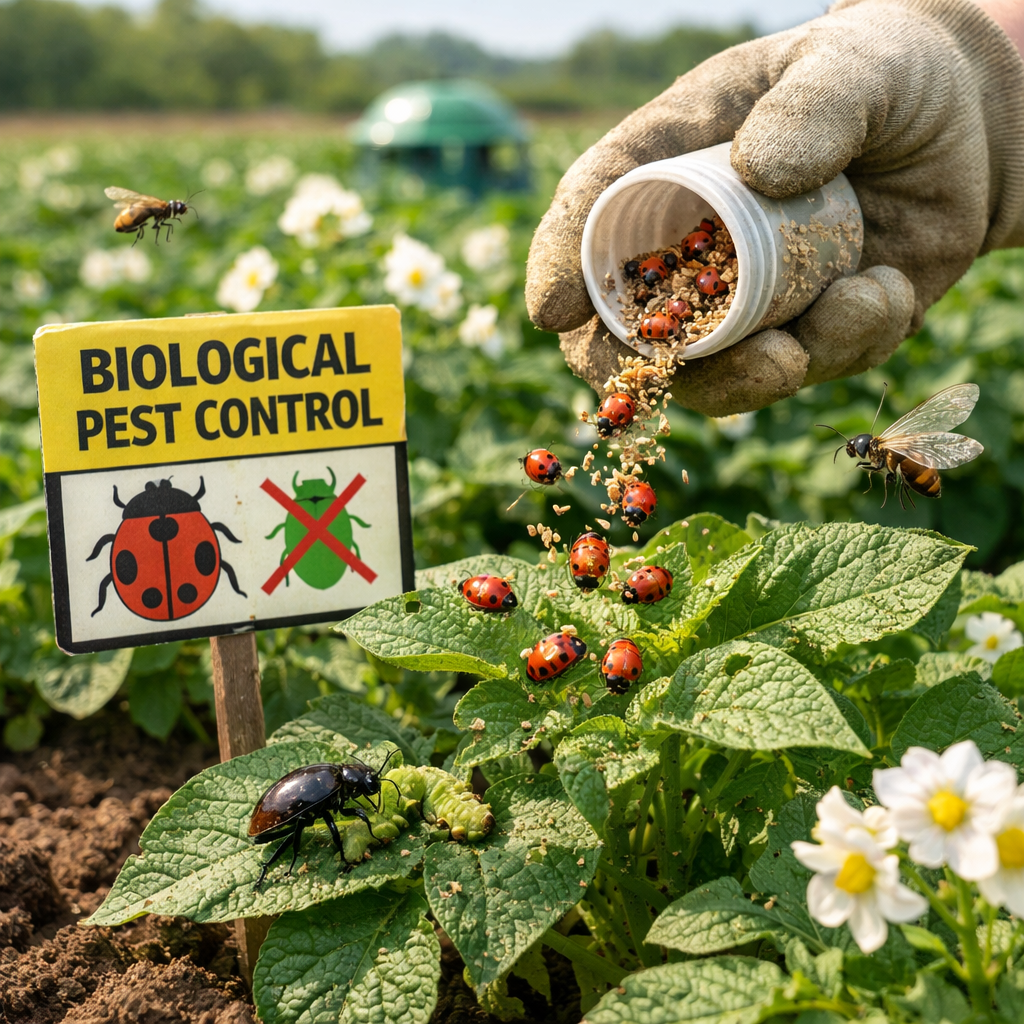
Biological Control Strategy for Potato Cultivation
This systematic green management plan for potatoes focuses on addressing three core challenges: Late Blight, soil-borne pests, and seed piece degeneration. 1. Biological Disease Management (Late Blight & Scab) Antagonistic Bacteria: Apply Bacillus subtilis or Bacillus amyloliquefaciens foliar sprays before or at the onset of disease. These beneficial microbes create a protective bio-barrier on leaves to inhibit pathogen germination. Biopesticides: Utilize botanical fungicides such…
-
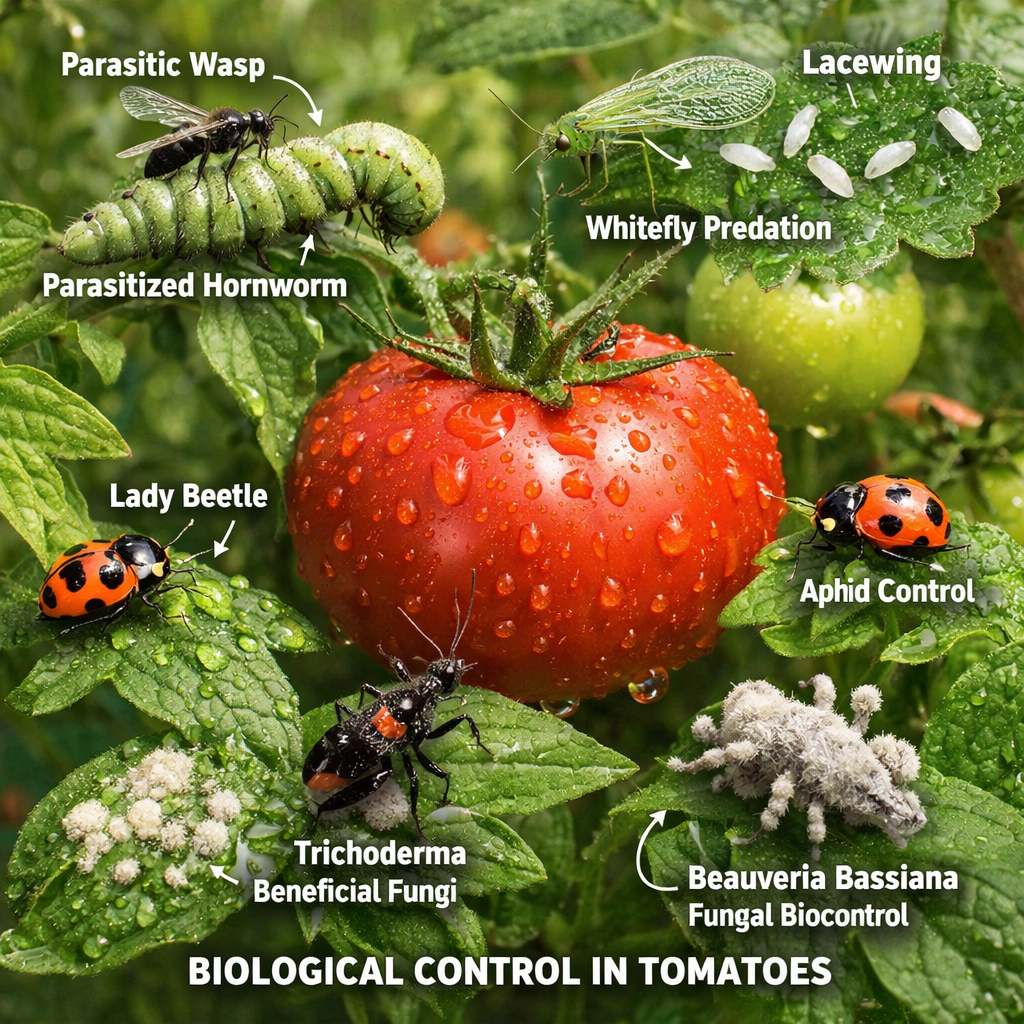
Biological Control Strategy for Tomato Cultivation
Biological control for tomatoes is a sustainable, green management strategy that utilizes natural enemies, microbial agents, and botanical extracts to replace or reduce the use of chemical pesticides. 1. Biological Pest Control Focuses on the release of natural enemies and the application of biopesticides for common tomato pests: Biopesticides: Apply Bacillus thuringiensis (Bt) or Neem oil. Pheromone Monitoring: Use sex pheromone traps to…
-
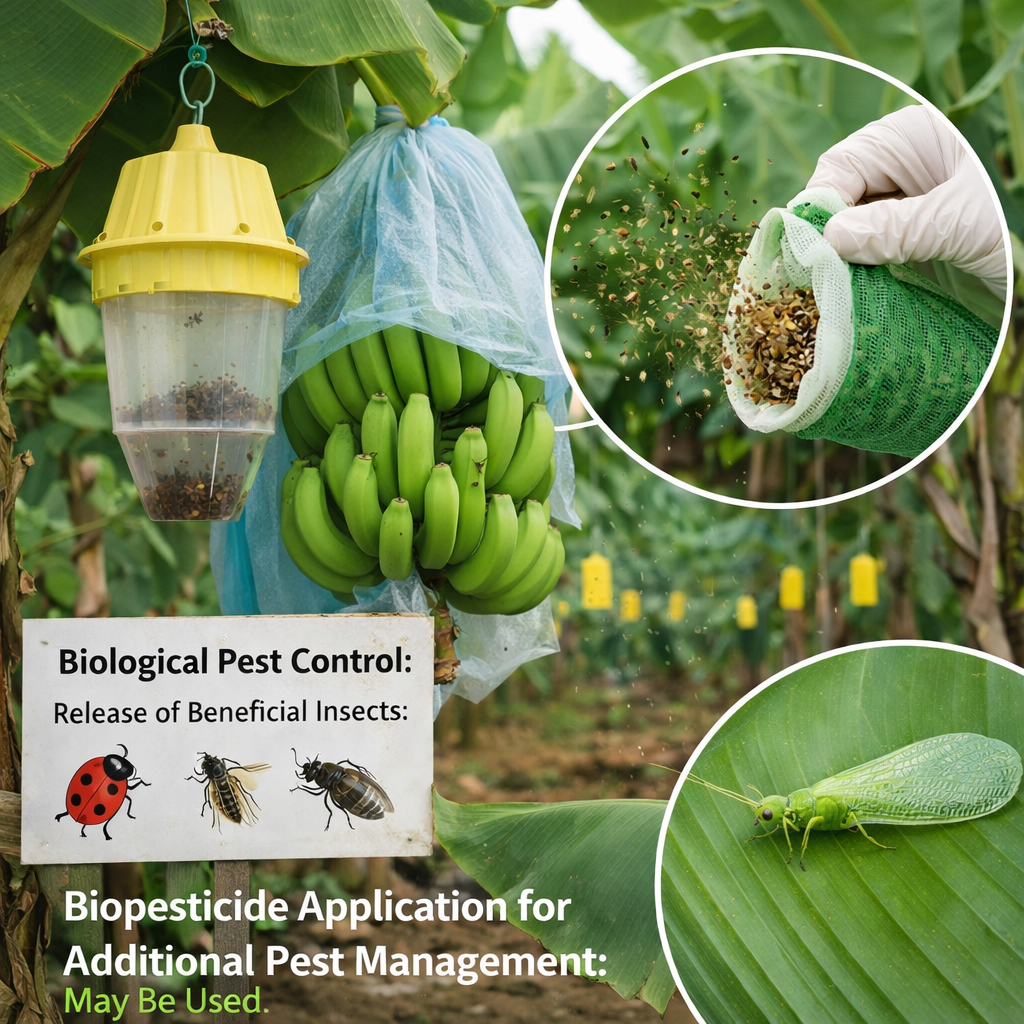
Biological Control Strategy for Bananas
The primary goal of biological control in banana cultivation is to manage devastating pests and diseases such as Banana Fusarium Wilt (Panama Disease), Banana Weevils, and Nematodes. Below is a systematic biological control framework: 1. Disease Management (Focusing on Fusarium Wilt/Foc TR4) Banana Fusarium Wilt is a soil-borne disease primarily managed through microbial antagonism: Microbial Antagonists: During seedling transplanting,…
-
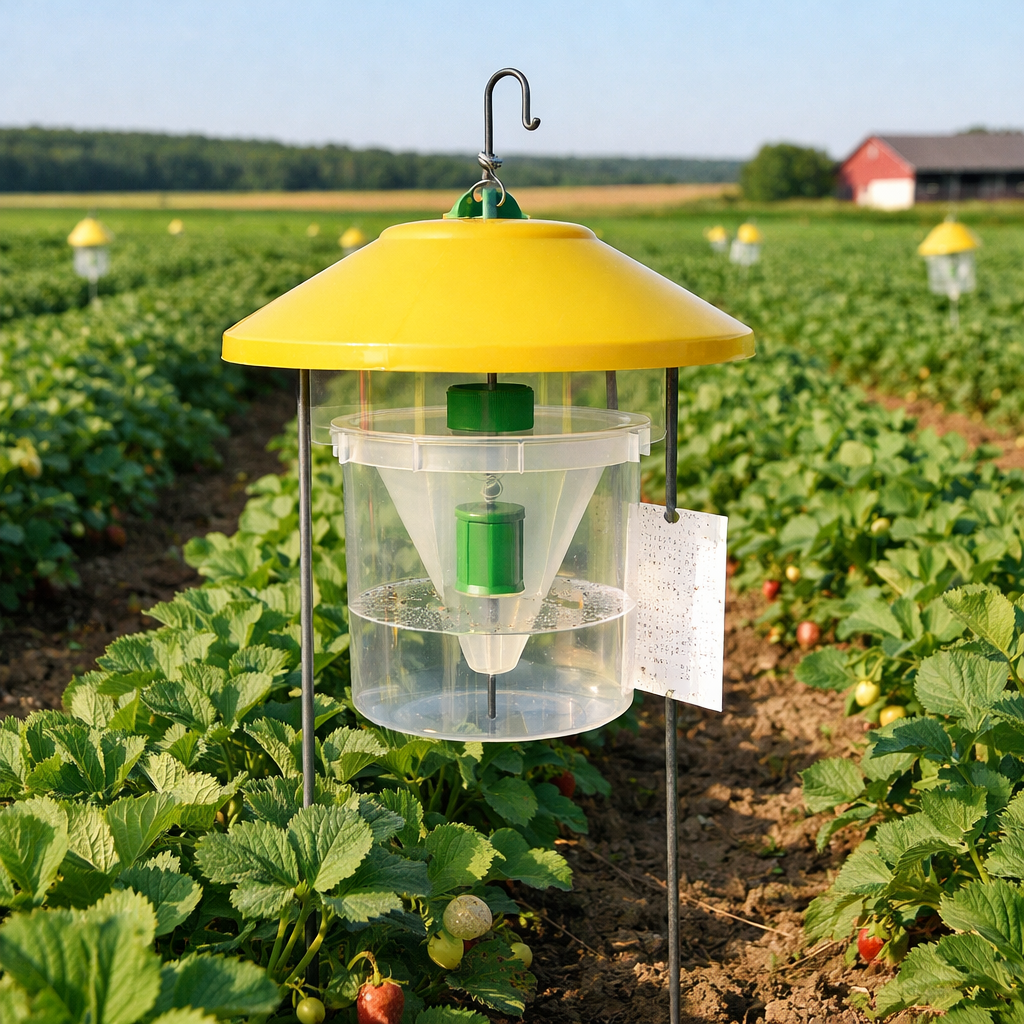
Application of Pheromones in Smart Agriculture
In the era of smart agriculture, pheromones have evolved from traditional physical lures into digital, precision-based tools for biological control and data sensing. They are no longer just simple “traps” but have become an integral part of Internet of Things (IoT) and Artificial Intelligence (AI) monitoring systems. The following are the core application scenarios for pheromones in smart agriculture: 1. Intelligent…
-
Know your soil to get harvest
To understand your field (garden or farm), you need to understand your soil by performing soil tests that assess its texture, pH, nutrient levels, and organic matter. You can do this through a hands-on “feel test” to identify its type (sandy, silty, or clayey) or by sending a sample to your local County Extension office for a detailed lab analysis. The…
-
Soil sensor
A soil sensor, particularly a soil moisture sensor, is a device that measures the amount of water in the soil, helping to optimize irrigation, improve plant health, and conserve resources in agriculture, horticulture, and landscaping. These sensors can be stationary or handheld and measure properties like volumetric water content, alongside other factors like soil temperature and…

